
 خبری دربارهی آپتوس (APT)
Robotaxis crash less. So why isn't your insurance cheaper?
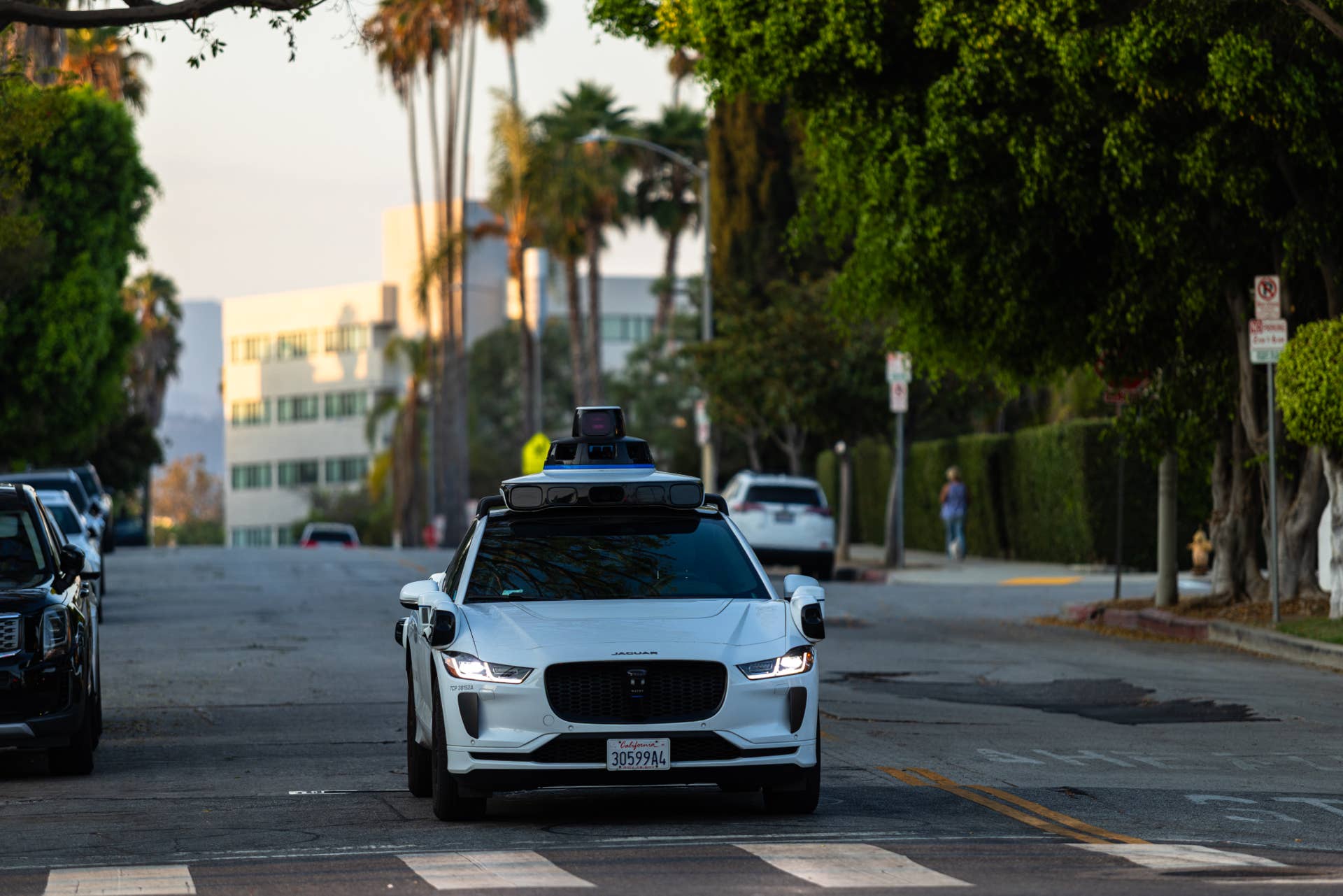
Waymo’s driverless fleet is crashing at a rate that should be worrying to anyone who sells car insurance. The company’s data through March 2026 shows 0.01 serious-injury crashes per million miles across 220 million rider-only miles, against a human benchmark of 0.23, a 94% reduction. Alex Timm, founder of Root Inc, which sells auto insurance, recently joined TheStreet Roundtable to discuss how Waymo and Tesla’s autonomous fleets will impact insurance. "The market I think will fundamentally transform," Timm said. "Change the dynamics of pricing, change the dynamics of who owns the liability, really change everything." Related: Former United Kingdom Prime Minister Liz Truss Joins Roundtable Board of Directors, to Lead European Press Coalition Less than 1% of miles The catch is timing. Waymo now runs in 11 U.S. metros, including Nashville, San Francisco, Austin, and more. Tesla recently unveiled their Cybercabs on Austin streets this month, and is testing in other cities. Autonomous vehicles have driven roughly 360 million cumulative miles on U.S. roads, against about 3.2 trillion miles Americans drive every year. "Less than one percent of all miles driven are actually driven by autonomous vehicles," Timm said. That leaves the $350 billion U.S. personal auto insurance market intact for now. The $175,000 fender-bender Where robotaxis are already showing up is in the cost of a wreck. A Waymo is a Jaguar I-PACE carrying roughly $100,000 in sensors and cameras, about $175,000 all in by one outside estimate. "If a sensor is damaged or certainly if any of the LIDAR detectors are damaged, it's almost impossible to actually repair," Timm said. That same dynamic has been hitting ordinary cars too, driving increases in costs for car insurance faster than groceries, gas, and rent. View the original article to see embedded media. The Highway Loss Data Institute finds driver-assistance systems have cut claim frequency by 13% to 39% while raising the cost of the claims that remain, largely because modern cars use more complicated technology. The average auto claim now runs close to $13,000. Timm says a typical customer pays “$15,000 or so every six months.” If autonomous vehicles keep performing as they have, he said, “that number could very well be cut in half or even more.” More news: Aptos SVP warns quantum threat is closer than you think iPhone app stole crypto keys for over a week before anyone noticed Coinbase officer reveals new details on Bitcoin reserve bill Getting inside the car Root’s plan is to be inside the car before that happens. “We're partnering with these OEMs that are developing a lot of this technology and that actually control the vehicles so that we can embed directly with the vehicle technology," Timm said. Pulling data straight from the vehicle shows how risk is actually changing.
عنوان اصلی (انگلیسی): Robotaxis crash less. So why isn't your insurance cheaper?
مشاهدهی خبر کامل در منبع ↗ بازگشت به آپتوساین خلاصه بهصورت خودکار از کوینمارکتکپ ترجمه شده و ممکن است خطای ماشینی داشته باشد؛ صرفاً جهت اطلاعرسانی است و توصیهی معاملاتی نیست.