
 خبری دربارهی فلوید (FLUID)
Protocol-Owned Liquidity: Why DeFi Projects Buy Their Own LP
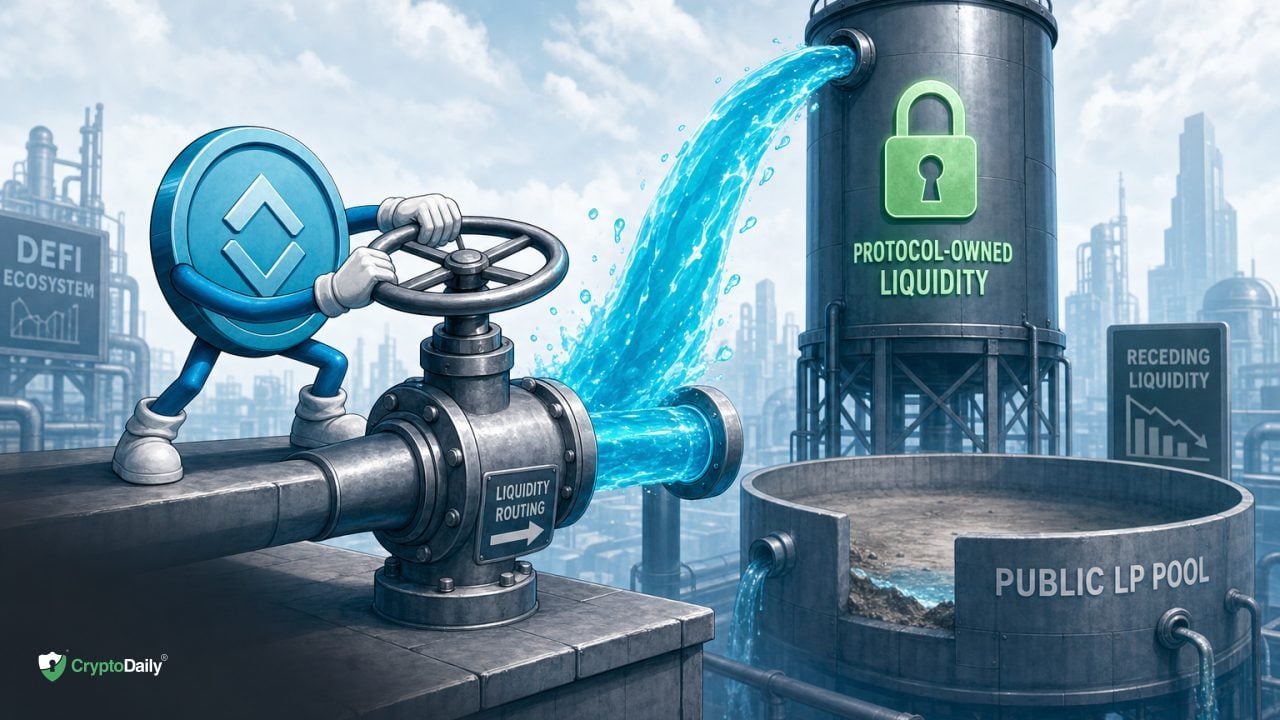
DeFi projects are getting tired of paying rent for liquidity. Instead of endlessly funding yield farms, more teams are buying and running their own LP positions. That shift has a name: protocol-owned liquidity. This piece breaks down how POL works in plain language, who it suits, and the trade-offs you should weigh before a DAO points the treasury at a DEX. We’ll talk structure, budgeting, metrics, and the failure modes people don’t like to admit. It matters right now because big protocols are making real moves on-chain to control their markets, from stablecoin launches to buyback programs. If you steward a treasury or just care about better execution, this is for you. Protocol-owned liquidity is when a project uses its own treasury or revenue to seed and own its market-making inventory on DEXs. Instead of renting anonymous liquidity with incentives, the protocol deposits assets into pools, holds the LP positions, and actively manages depth and fees. Teams do it to cut slippage, reduce ongoing emissions, align incentives, and keep liquidity live through rough markets. Own the spread: keep consistent depth where users actually trade Spend once, manage forever: lower long-term cost than perpetual farming Align incentives: protocol benefits from fees and tighter execution Operational load: needs active risk and inventory management How does protocol-owned liquidity actually work? At its core, POL is a project becoming its own DEX market maker. The DAO or company funds a pool with treasury assets, receives LP tokens (or a position NFT on concentrated AMMs), and then manages that inventory to keep spreads tight and slippage low. Fees generated by trading flow back to the protocol, offsetting cost. There are a few ways to acquire the LP stack. Some protocols simply deploy stablecoins or ETH from the treasury into the base pool. Others “bond” by selling their native token or future rights in exchange for LP tokens from the community. A third angle routes a slice of protocol revenue to buy and grow LP positions over time. On concentrated liquidity AMMs, POL looks like a banded strategy: you set ranges around the active price, rebalance when markets move, and decide whether to run tight bands for low slippage or wider bands to reduce churn. It’s market making, just fully on-chain and usually rules-based. Pro tip: Treat POL like inventory. Measure your mark-to-market PnL, not just fee APR. Fees can flatter your dashboard while your inventory silently bleeds on big price moves. What are the trade-offs versus rented liquidity? POL isn’t a free lunch. You swap recurring emissions for capital at risk and operational complexity. The right call depends on your token’s maturity, volatility, and the depth you actually need for users to transact without ruining their price.
عنوان اصلی (انگلیسی): Protocol-Owned Liquidity: Why DeFi Projects Buy Their Own LP
مشاهدهی خبر کامل در منبع ↗ بازگشت به فلویداین خلاصه بهصورت خودکار از کوینمارکتکپ ترجمه شده و ممکن است خطای ماشینی داشته باشد؛ صرفاً جهت اطلاعرسانی است و توصیهی معاملاتی نیست.