
 خبری دربارهی Zircuit (ZRC)
Lido’s Bridge Pullback: Is LDO Admitting the Multichain Bet Got Too Messy?
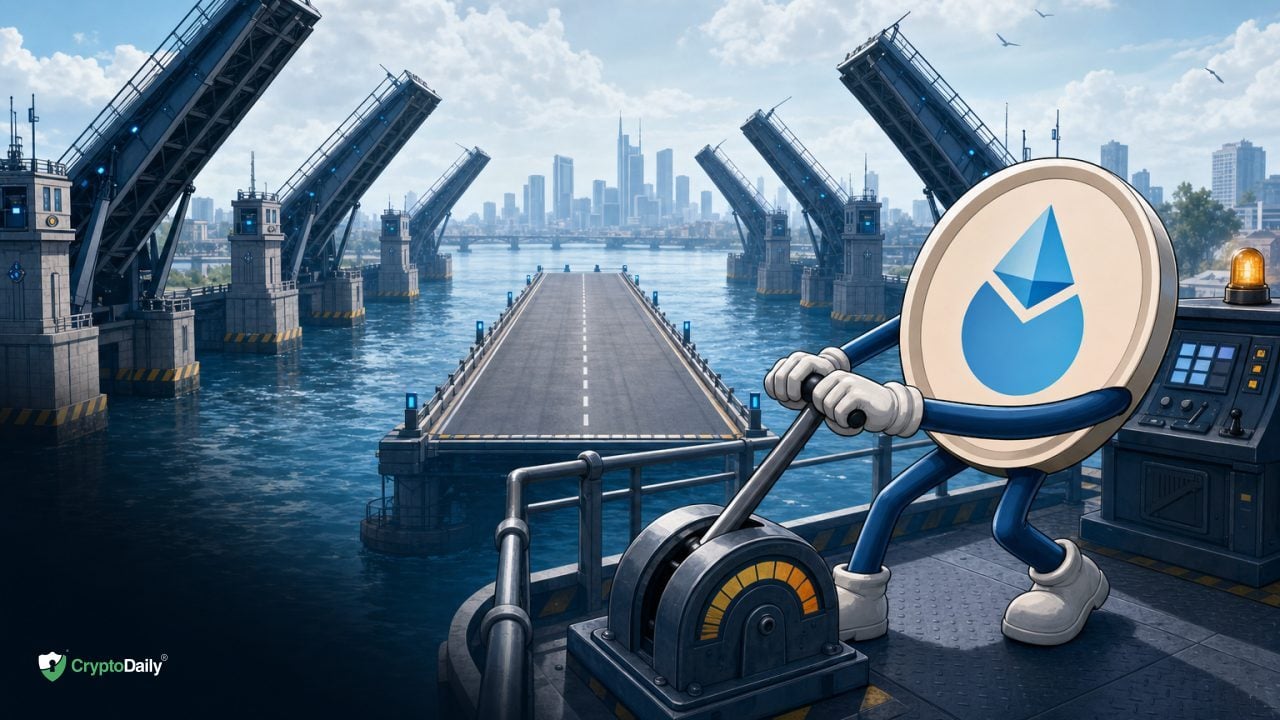
You wake up, check your watchlist, and the headlines read like a tidy retreat. Lido is pulling back its wstETH bridges on a bunch of chains. Not a rug. More like a house clean-up after a long party. For months, stETH and wstETH were everywhere. Every new rollup, every modular thing with a bridge. Then the governance post hit, the Snapshot closed, and the endpoints started losing their “canonical” badge. Suddenly, the convenience tax of being everywhere looked too high. So is this Lido conceding the multichain push got messy, or simply choosing to be picky about where it plants flags? Let’s unpack it without the marketing gloss. Editor's note: The April KelpDAO incident was my stress test bookmark, and I watched how fast liquidity rotated and how DEX routes repriced. When the Lido Snapshot closed with a landslide to prune endpoints, it matched what I was hearing from teams juggling integrations across too many chains. The NEC guardrails feel like a pragmatic response to constant L2 churn. I’m still watching how periphery chains rebuild depth without a canonical tag. — Maya Sinclair Lido DAO voted to revoke the canonical status of its wstETH bridge endpoints on nine networks: zkSync Era, Mode, Scroll, Mantle, Swell, Zircuit, Soneium, Polygon PoS, and Lisk. The move was framed as a consolidation of multichain resources and a way to keep risk manageable across the growing sprawl of L2s and sidechains. The Snapshot that carried this finished on June 22, 2026 with 57.4 million LDO in favor against 122 LDO opposed (Lido Governance). The formal update landed the next day (Lido blog). Lido is not exiting bridged wstETH. It is narrowing what it calls canonical, which shifts operational overhead and reputational risk back toward the bridges and the chains that want the asset. Users are affected in practical ways: labels change inside interfaces, liquidity incentives may move, and routing through DEXes or bridges could get a little clunkier. Protocols that leaned on a “canonical” stamp for UX clarity now have to handle more nuance. How Lido Ended Up Everywhere stETH is a liquid staking token. wstETH is the wrapped, non-rebasing version that most DeFi prefers. Because activity shifted to L2s and other EVM-adjacent networks, there was a rush to bring wstETH wherever users traded, borrowed, or posted collateral. Why canonical bridges matter “Canonical” in this context is social and operational. It signals that Lido has recognized a specific bridge endpoint for wstETH on a given network as the primary one. That designation can drive liquidity, integrations, and user confidence. It also comes with support expectations and reputational attachment. When every chain wants your token, those expectations multiply fast. Over the past two years, that multiplication turned messy.
عنوان اصلی (انگلیسی): Lido’s Bridge Pullback: Is LDO Admitting the Multichain Bet Got Too Messy?
مشاهدهی خبر کامل در منبع ↗ بازگشت به Zircuitاین خلاصه بهصورت خودکار از کوینمارکتکپ ترجمه شده و ممکن است خطای ماشینی داشته باشد؛ صرفاً جهت اطلاعرسانی است و توصیهی معاملاتی نیست.